August 26, 2026
Choosing the right venue can shape the entire experience of a celebration, meeting, or special gathering. Hosts need to think about food, seating, atmosphere, convenience, service, and how smoothly the event will run from beginning to end. While traditional event venues are one option, restaurants can provide many of the same advantages while also offering built-in dining and hospitality services. Selecting a restaurant as a banquet hall can simplify planning by bringing several important event needs together in one location. Whether the occasion is a birthday, anniversary, reunion, business function, or another milestone, a restaurant setting can offer a practical and welcoming solution for both hosts and guests.
1. Simplifying Food and Beverage Planning
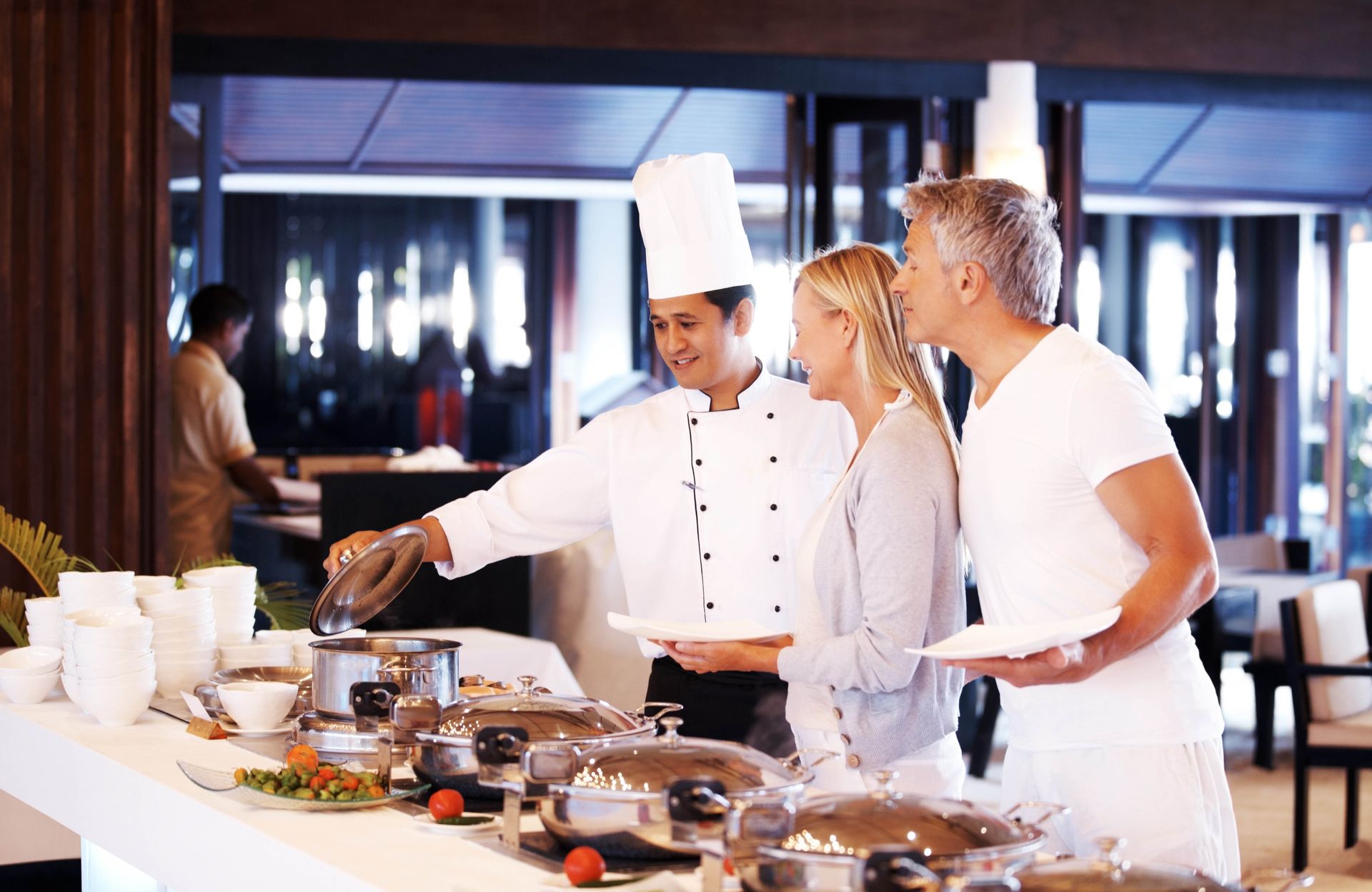
One of the biggest advantages of choosing a restaurant for an event is that food service is already part of the venue’s everyday operation. Instead of hiring a separate caterer, coordinating kitchen access, or arranging outside food delivery, hosts can work directly with the restaurant to select menu options that fit the occasion. Depending on the restaurant, guests may be able to choose from plated meals, buffets, appetizers, desserts, or other formats that suit the size and style of the gathering.
Using a restaurant as a banquet hall can also make beverage planning easier. Staff members are already familiar with serving drinks, managing table service, and coordinating food timing. This can reduce the number of outside vendors involved and create a more organized dining experience. Hosts can focus on choosing menu items and communicating dietary needs rather than building an entire food service plan from the ground up.
2. Reducing the Number of Vendors
Traditional event planning often involves coordinating several separate providers, including caterers, rental companies, serving staff, and cleanup crews. Managing contracts, arrival times, setup details, and payments for multiple vendors can become time-consuming. A restaurant may already provide many of these services as part of its normal operation, which can make the planning process more straightforward and reduce the number of moving parts.
According to OysterLink, more than 700,000 restaurants and food service establishments operate throughout the United States. With such a large number of establishments available, hosts may have opportunities to compare locations that differ in size, cuisine, atmosphere, and available event services. Choosing a restaurant can allow event planners to consolidate important responsibilities into one venue while still selecting a setting that matches the tone of the occasion.
3. Providing Experienced Service Staff
Restaurants depend on trained staff to serve guests efficiently, communicate with the kitchen, manage tables, and respond to customer needs. Those same skills can be valuable during a private event. Servers who are familiar with the restaurant’s menu and service process may be able to answer questions, accommodate requests, and keep meals moving according to the planned schedule. This experience can help the event feel organized without requiring the host to manage every detail personally.
When a restaurant functions as a banquet hall, the staff may also be familiar with hosting larger groups or private gatherings. They can help coordinate seating, meal timing, clearing tables, and other routine tasks throughout the event. Having experienced service professionals on hand allows hosts to spend more time interacting with guests instead of worrying about whether food is being delivered or tables are being maintained.
4. Creating a Comfortable Atmosphere
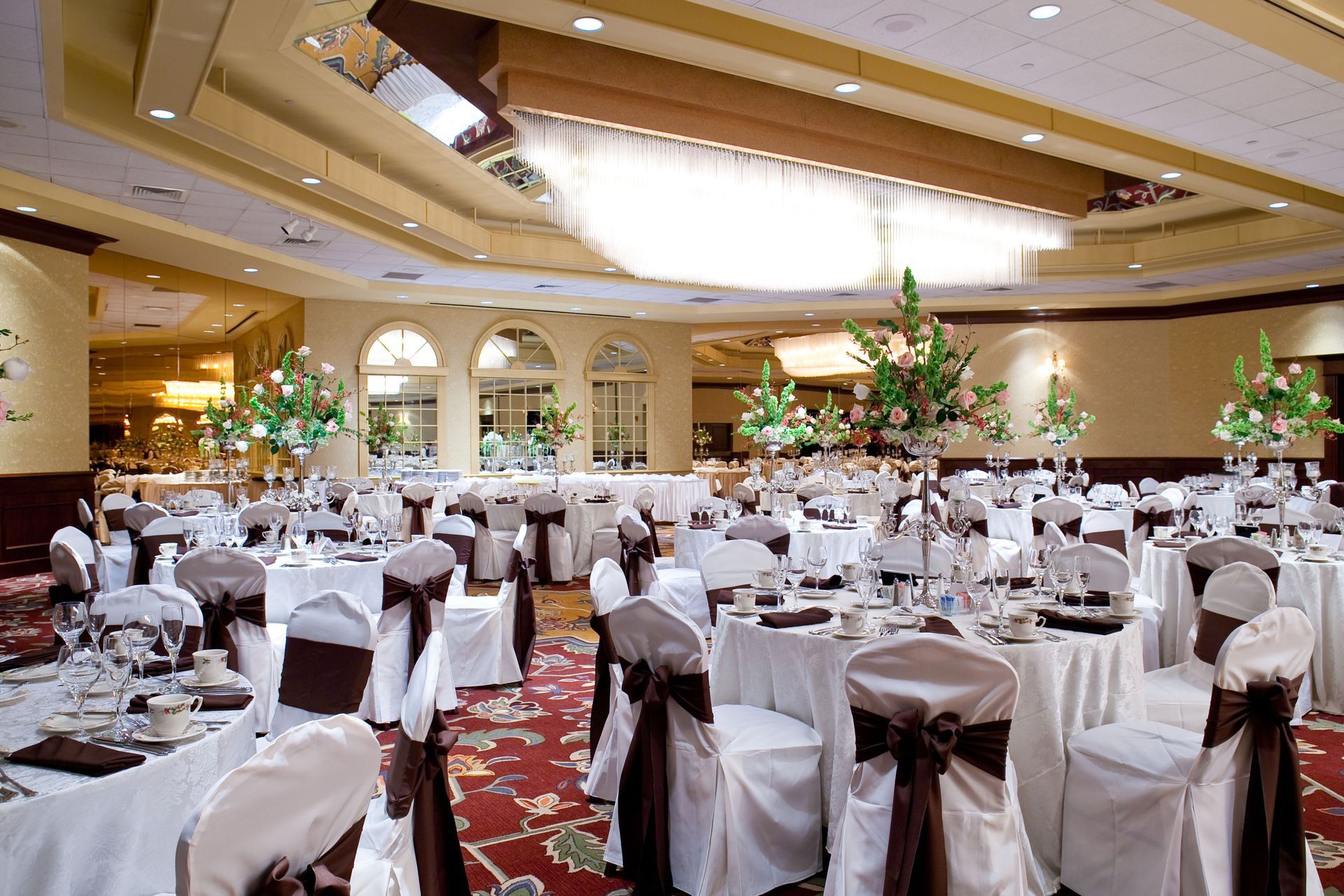
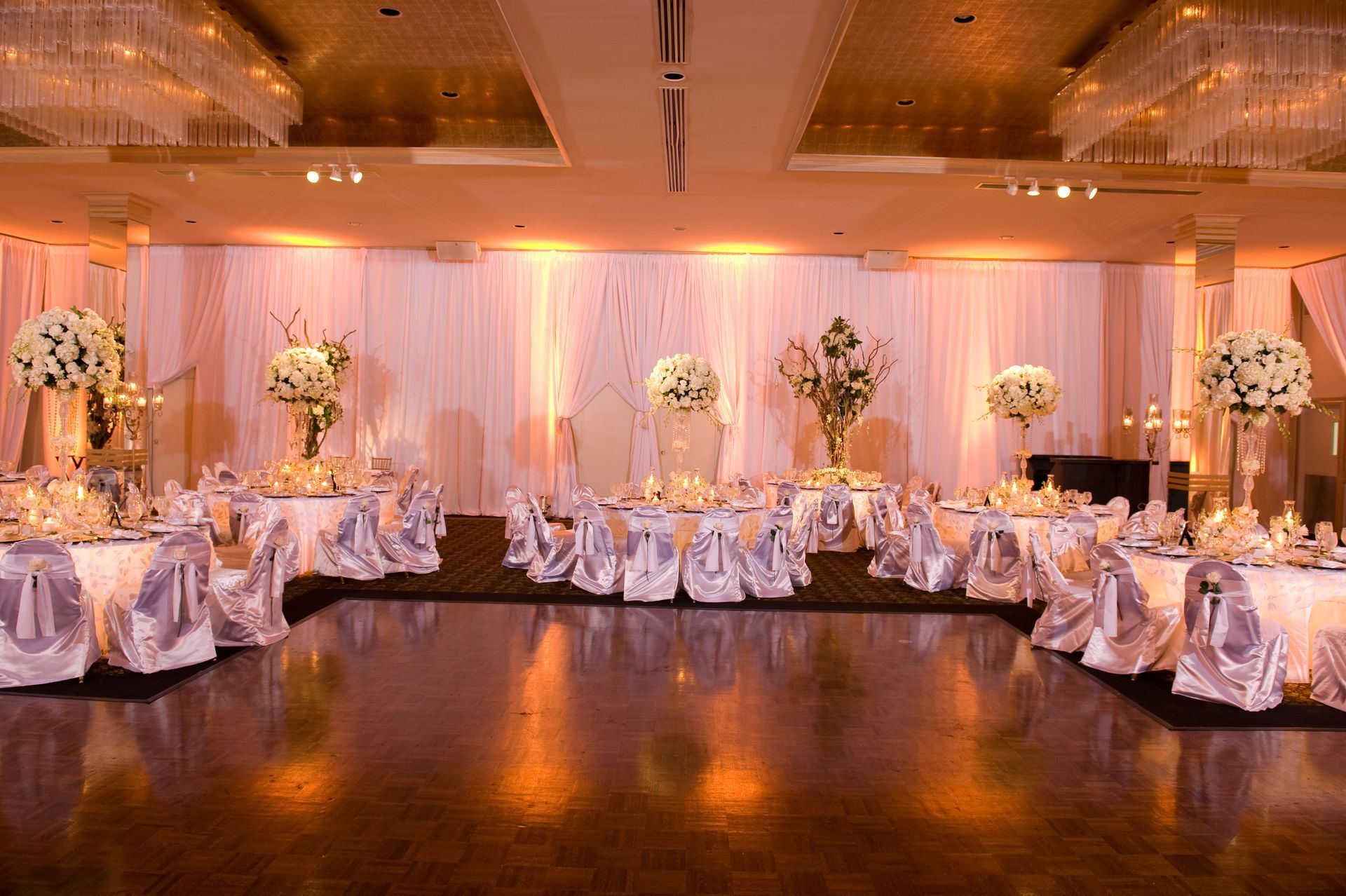
Atmosphere plays an important role in how guests experience an event. Restaurants are generally designed to create a welcoming environment through lighting, décor, seating arrangements, and overall layout. Instead of starting with a plain room that requires extensive decoration, hosts may be able to select a restaurant whose existing style already complements the celebration. This can save time and help the event feel more complete from the moment guests arrive.
Different restaurants can support different moods, from casual and relaxed to elegant and formal. A private dining area may create a more intimate setting, while a larger room can accommodate bigger groups. Choosing a banquet hall within a restaurant can give hosts the benefit of a furnished, finished environment while still allowing them to add personal touches such as centerpieces, signs, or other decorations when permitted.
5. Making Setup and Cleanup Easier
Event setup can involve tables, chairs, linens, serving areas, decorations, and other details that must be ready before guests arrive. At a restaurant, many basic furnishings and dining supplies may already be available. This can reduce the amount of equipment that hosts need to rent, transport, and arrange. It can also make the hours leading up to the event less stressful because fewer elements have to be installed from scratch.
Cleanup can be another major advantage. After a long celebration, hosts may not want to spend additional time clearing dishes, breaking down tables, or managing food waste. A restaurant that serves as a banquet hall already has systems for clearing dining areas and handling kitchen cleanup. While hosts may still need to remove personal decorations or belongings, much of the routine dining cleanup can remain with the venue staff.
6. Offering Convenient Guest Amenities
Restaurants are designed to serve the public, so many already include practical amenities that guests expect. These may include restrooms, parking, climate control, accessible entrances, tables, chairs, and established service areas. Having these features in place can make the experience more comfortable for guests and reduce the number of logistical questions the host needs to solve separately.
Location can also make a restaurant-based banquet hall convenient for attendees. Restaurants are often situated near major roads, commercial areas, hotels, or other familiar destinations. Guests may find it easier to locate a well-known restaurant than a private venue in an unfamiliar area. When planning an event, hosts can consider parking, travel distance, accessibility, and surrounding services to choose a location that works well for the expected group.
7. Supporting a More Relaxed Event Experience
A successful event should allow the host to enjoy the occasion rather than spend the entire time managing logistics. Restaurants can reduce some of that pressure because food preparation, service, dining space, and cleanup are handled in one place. With fewer vendors and responsibilities to coordinate, hosts may have more time to welcome guests, participate in conversations, and enjoy the reason everyone gathered in the first place.
Restaurants can also provide a familiar setting for guests. Most people are comfortable with restaurant dining, which can make the flow of the event feel natural. Guests know where to sit, how meals are served, and where to find assistance if they need something. This familiarity can contribute to a smoother experience while still allowing the occasion to feel special and thoughtfully planned. A restaurant setting can help guests settle in quickly and focus on enjoying the gathering.
Choosing a restaurant for a private event can offer practical advantages that make planning easier and the guest experience more enjoyable. Built-in food service, experienced staff, fewer vendors, comfortable surroundings, easier setup and cleanup, convenient amenities, and a more relaxed atmosphere can all contribute to a successful gathering. The right banquet hall should fit the size of the group, style of the occasion, dining preferences, and logistical needs of the host. By considering a restaurant setting, event planners may be able to bring several important services together while creating a welcoming place for guests to celebrate. To learn more about hosting your next event, contact Oakstone Recreational.